NJ Legislation Would Increase Filing Fees for Property Tax Appeals
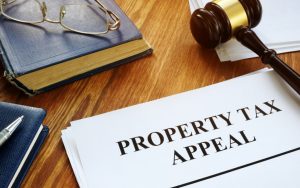 While many things have changed since 1979, New Jersey’s filing fees for property tax appeals are not among them. However, that may no longer be the case. Legislation to increase the fees is pending before the state Legislature. If approved by the Senate and Assembly, then a stroke of the governor’s pen will have New Jersey residents paying more to appeal their assessments. Let’s take a closer look at Bill S4909 and NJ’s filing fee structure.
Background
Since 1979, inflation has eroded the US dollar by about 382%. To put that in perspective, one dollar back then would equal about five dollars today. The change in home prices is even more drastic. Back then, the median price for a new home was $62,900. Today? $410,800. That’s an increase of 552%! Despite these economic changes, New Jersey has maintained the same filing fees for tax appeals. As we’ll see, that may no longer be the case.
NJ’s Filing Fee System
In New Jersey, not everyone pays the same fee to appeal their property’s assessment. Instead, the amount depends on the assessed value of property. There are four assessed value categories: under $150k, between $150k and $499,999, between $500k and $999,999, and $1 million or more. Depending on which category a property falls under, property owners can expect to pay anywhere from $5 to $150.
Senate Bill 4909
The proposed law is Senate Bill 4909, also known as S4909. It was introduced on November 24, 2025, and seeks to increase property tax assessment appeal filing fees.
The following table breaks down each assessed value category and compares NJ’s old filing fees with the proposed new fees:
| Assessed Value | Old Fee | Proposed New Fee | Percent Change |
| Less than $150,000 | $5 | $25 | 400% |
| $150,000 – $499,999 | $25 | $75 | 200% |
| $500,000 – $999,999 | $100 | $150 | 50% |
| $1,000,000 and above | $150 | $200 | 33.33% |
As you can see, the fee increases are rather steep, especially for lower property values. On average, most homeowners can expect to pay an extra $50 to file tax appeals.
What if a property owner wants to challenge the classification of their property but not the assessed value? Sorry, but S4909 imposes increased fees on them too, an extra $50 to be exact. A $50 increase also applies for appeals not related to assessed value or property classification. At the end of the day, the vast majority of property owners in New Jersey can expect to pay much more to file appeals.
Polarizing Opinions
As with many new pieces of legislation, Bill S4909 has its fair share of proponents and critics. Those in favor of it emphasize that the fees will provide county tax boards with funding for updated equipment and technology. In addition, they claim that rising inflation and home prices necessitate a revised fee schedule. The Office of Legislative Services predicts that an additional $620k to $700k will be generated to support county level needs. S4909 SBA Statement 12/8/25.
Opponents are less than enthusiastic about the bill’s revenue raising potential. As they correctly point out, some homeowners could pay multiple times the original fee just to have their appeal heard. This might create an opposite effect by decreasing the number of tax appeals being filed. At a time where inflation continues to impact struggling homeowners and property taxes climb to all-time highs, increased fees may only contribute to the already enormous financial burden that many homeowners struggle with. There are also concerns about equity and access to justice. While the filing fee for properties worth over $1 million increases by 33.33%, the fee for property worth under $150,000 increases by 400%. This could put those in a lower income bracket at a disadvantage, thus closing the door to justice for underprivileged communities.
Next Steps
As the talking bill from Schoolhouse Rock! would say, S4909 is “just a bill.” It still has to go through NJ’s Senate and Assembly. If approved by both sides, it could reach Governor Murphy’s desk before his term ends this month.
We will keep a close eye on the progress of this bill. To read more about S4909, click here.